No content results match your keyword.
Content

You have successfully logged out.


Not registered yet?
Stop pressure ulcer formation
We all want to avoid pressure ulcers. Considerable progress has been made in this area the past few years. Nevertheless, pressure ulcers remain a challenge. B. Braun offers different solutions including products for skin care and skin protection. Taking action right from the start can help you to protect your patients from pressure ulcers.[1]
This information is meant for medical professionals only. Please confirm that you are a medical professional before accessing this information.
Confirm Yes, I am a health care professional. Cancel No, I am not a health care professional.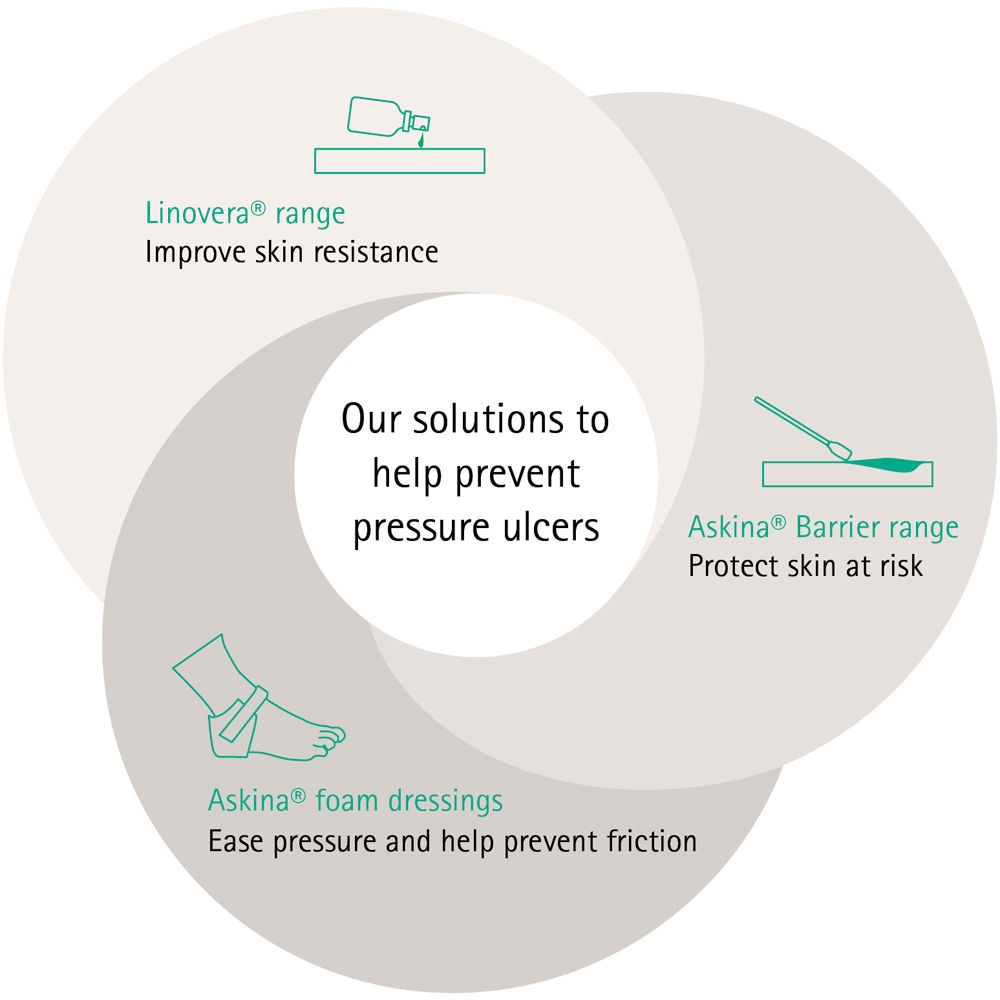
Pressure ulcers can be caused if the blood supply to the skin or to the underlying tissues is compromised. Predisposing factors include limitations in activity/mobility, deficiencies in nutrition and skin moisture, inadequate perfusion, and the use of mechanical devices that exert pressure on the skin.[2]
Pressure ulcers may develop quickly - between the first hour and 4 to 6 hours after sustained loading.[3]
Up to
0%
of hospital acquired pressure ulcers are preventable.[1]
In most cases, pressure ulcers have a significant impact on patient morbidity[4] and quality of life[5] and can even impact patient survival.[2]
The cost of pressure ulcer treatment can be more than 2.5 times higher than prevention.[6]
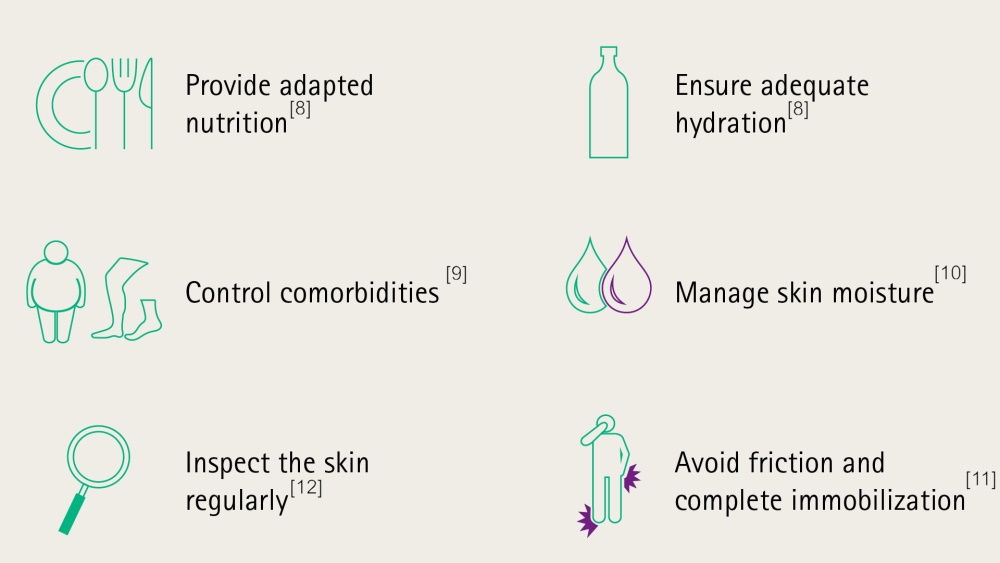
Guidance on the prevention and management of pressure injuries is given by an internationally accepted clinical practice guideline.[7] It recommends a holistic approach integrating adapted nutrition,[8] comorbidity control[9], hydration[8] and skin moisture management[10] and others.

For example, whenever a patient enters a ward, a pressure ulcer risk assessment should be used, followed by a regular skin assessment to check for any signs of sores. Also, nutrition plays a huge role in the patient’s overall health status influencing the probability of developing pressure injuries. It is important to assess the nutritional needs and adapt the diet accordingly and ensure adequate hydration.
Our solution
We offer a combination of our soft, cushion-like dressing ranges Askina® DresSil and Askina® Foam designed to help to relieve pressure and avoid friction, with appropriate local skin moisture management products such as Askina® Barrier and Linovera®.
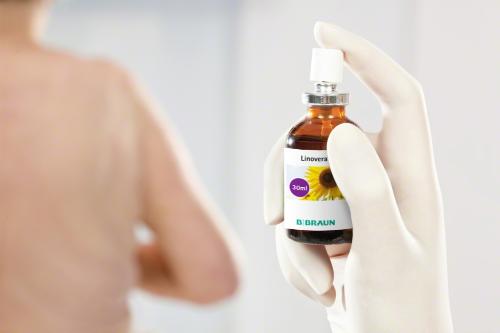
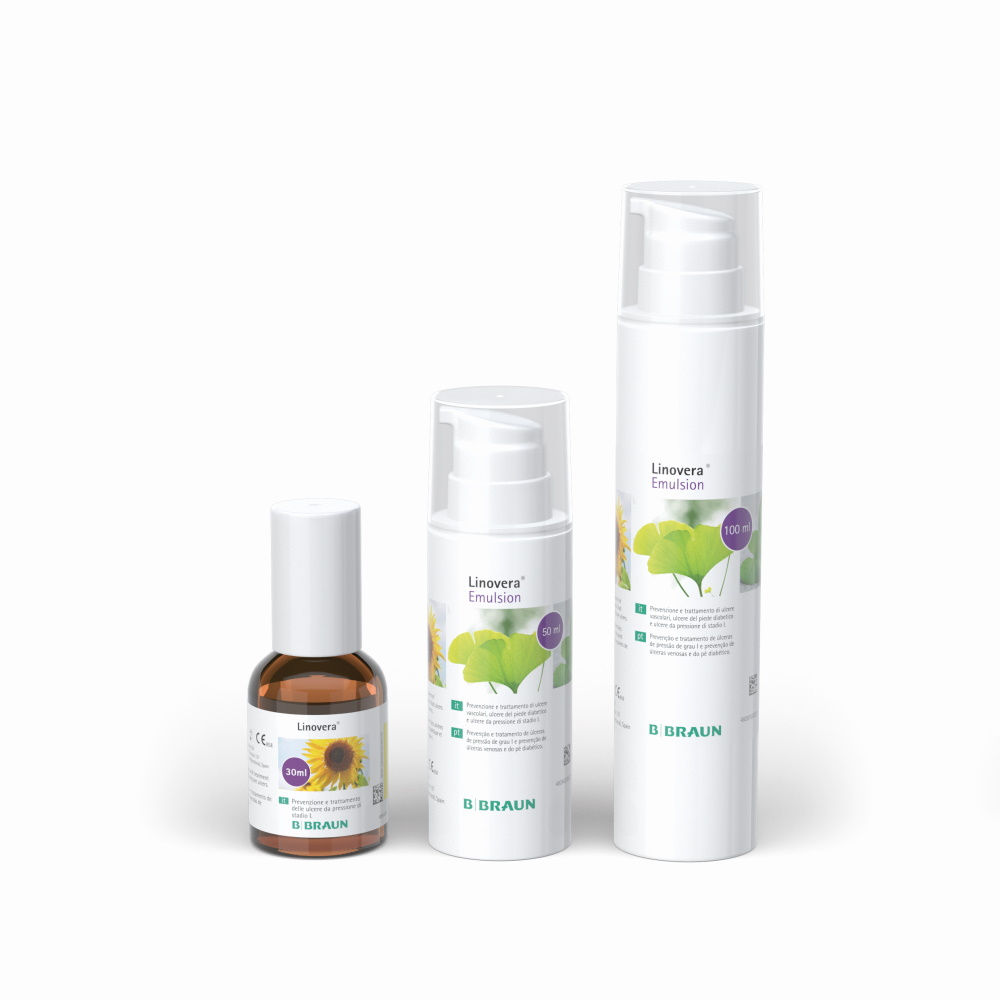
Linovera® is indicated for prevention and treatment of stage 1 pressure ulcers. Linovera® Emulsion is indicated for prevention and treatment of lower limb ulcers, diabetic foot ulcers and stage 1 pressure ulcers.
The products’ formulation is based on hyperoxygenated fatty acids, important linoleic acids which can contribute to a healthy skin structure. Other ingredients are Aloe Vera and Gingko Biloba (included only in Linovera® Emulsion) which act as emollient and humectant. Centella Asiatica is a soothing skin tonic agent.
Linovera® lubricates the skin, thus reducing shear and friction and maintaining the moisture barrier function of the skin.
Skin protection products are used to help reduce the risk of trauma related excessive moisture. It is essential to avoid overexposure of the skin to moisture and implement prevention strategies focused on maintaining skin integrity.[10,13]
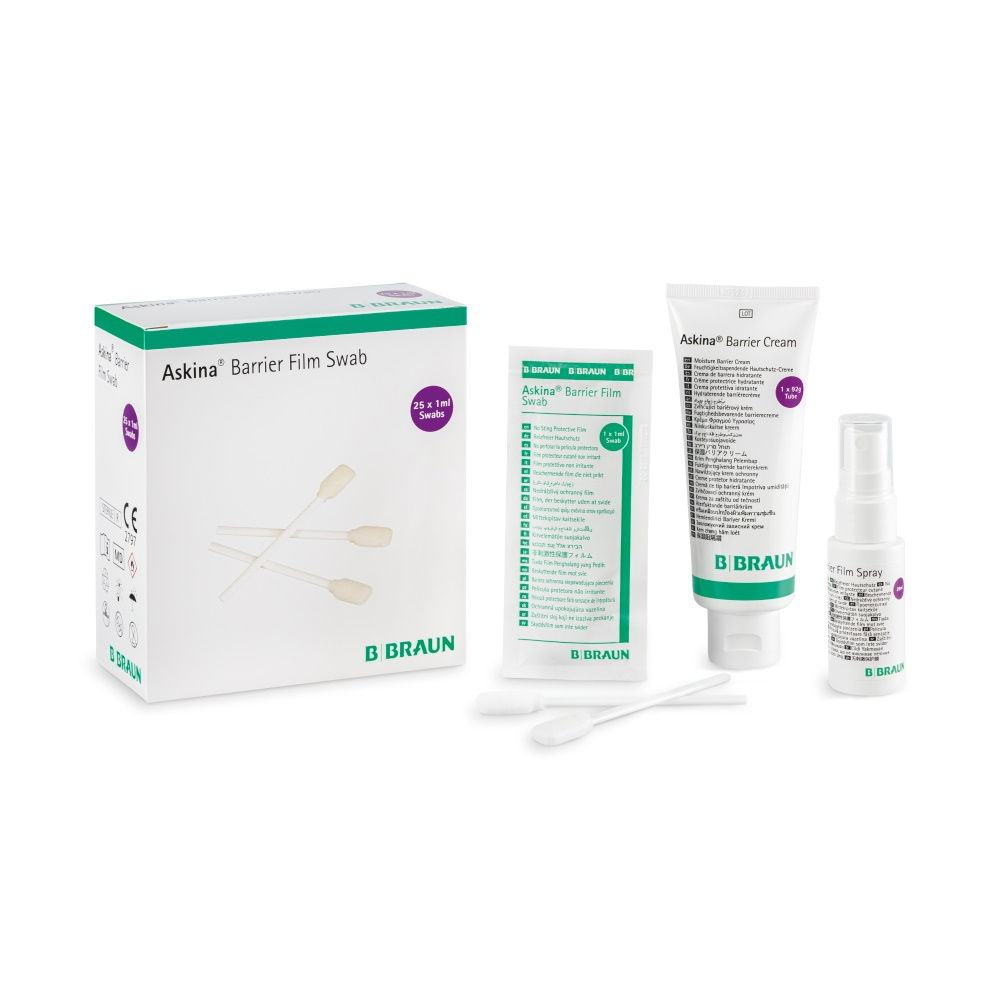
Askina® Barrier protects the skin from bodily fluids and provides a long-lasting barrier to the patient’s skin. It is available in three different formats: Askina® Barrier Cream, Askina® Barrier Film Spray or Askina® Barrier Film Swabs. Askina® Barrier Film Spray may be applied on intact or damaged skin and is particularly indicated for protection of peri-wound skin.
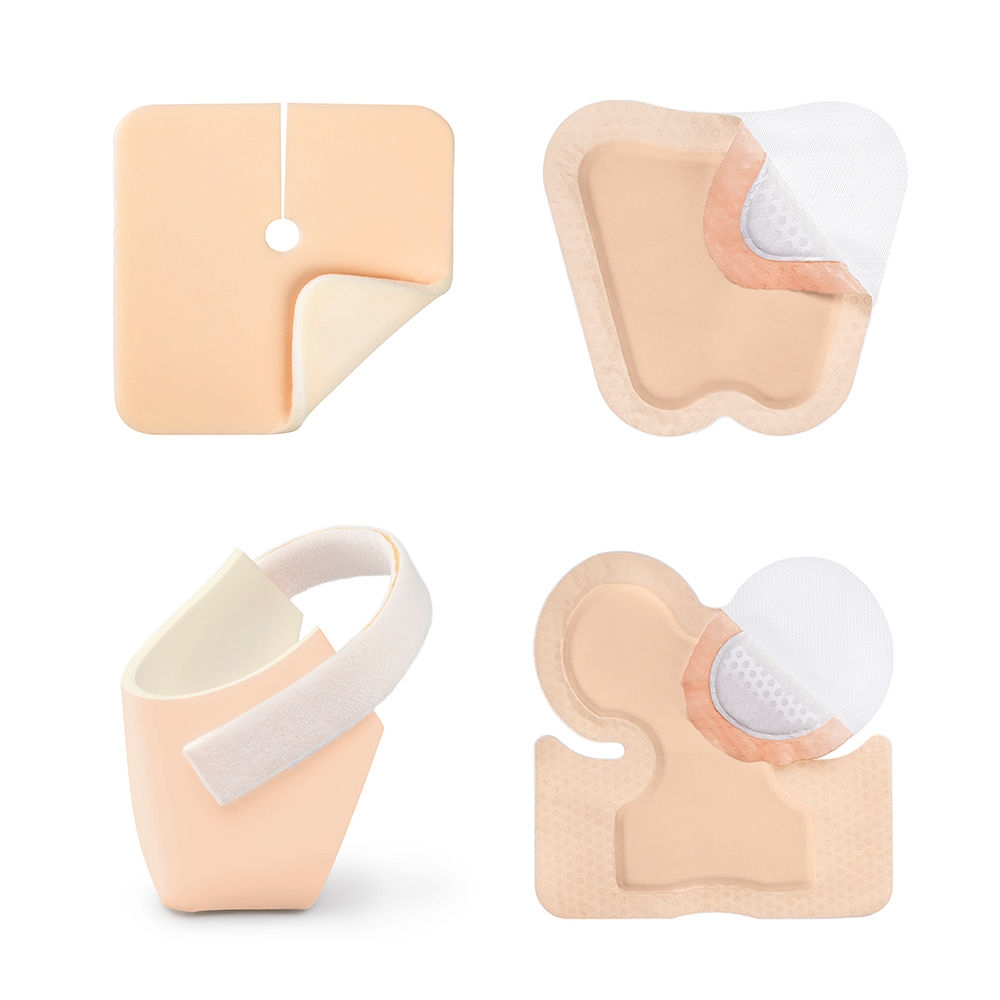
Areas such as the heels or sacrum are especially exposed non-stop to pressure and friction. Therefore, they need more protection. In addition to applying Askina® Barrier or Linovera® for moisture management anatomically shaped hydrocellular dressings are available to ease pressure.
Askina® Heel, Askina® DresSil Active Heel and Askina® DresSil Active Sacrum are manufactured to protect the heels, malleoli and the sacrum. Askina® Trachea is a specially designed foam dressing with a circular opening which fits neatly around a tracheostomy tube, stoma or other drain.
Bony protrusions are not the only parts of the body which may be exposed to pressure and friction. Other parts can be affected, e.g. by medical devices that exert pressure on the skin.[14]
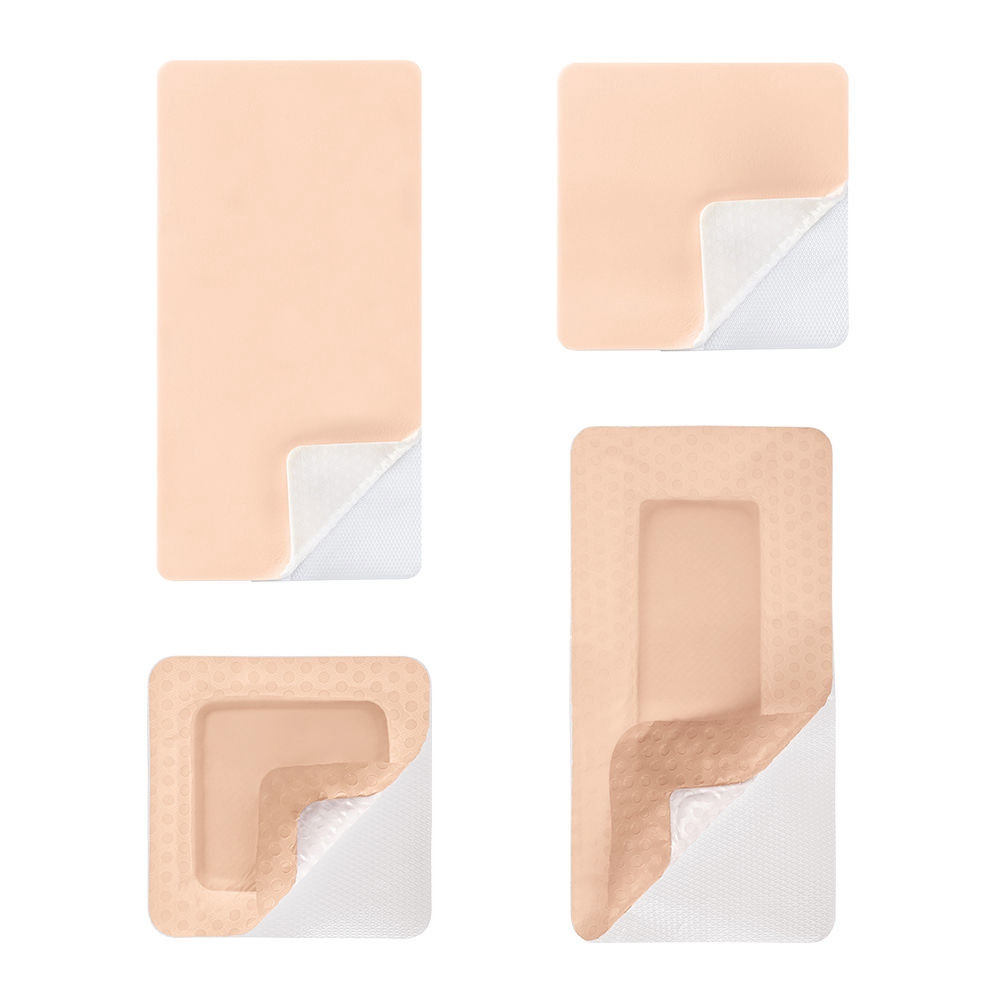
Askina® DresSil is a foam with a silicone adhesive which provides gentle, secure adherence and low trauma during dressing changes. It can be cut and shaped for application on smaller areas which need protection.
Askina® DresSil Active is a foam dressing with silicone adhesive and an additional adhesive border, are made for difficult-to-dress or moving areas (knees, elbows, skin folds) as they are able to conform to a variety of anatomical contours.
Every foam dressing can be repositioned during application or even lifted up during wear time to check the skin or wound. They can also be applied on wounds as they provide a moist environment promoting natural healing.
It is the story of Miguel Jopia Cuevas, a 60-year-old family father from Chile who had contracted COVID-19. After spending 39 days in hospital, he was discharged with a severe lumbosacral decubitus ulcer.
In the video, he reveals the tremendous impact of the pressure ulcer on all aspects of his life – emotions, family and his profession.
You will learn about his suffering and the consequences, not to mention the high costs associated with the subsequent treatment of the stage 3 pressure ulcer by a home care nurse.

Pressure ulcer treatment
Once a pressure ulcer has developed, it is important to quickly draw up a coordinated care plan to promote healing.[15,16] Learn more about how Miguel’s nurse managed to heal his bedsore.
More about pressure ulcer treatmentFor more product information check also current Instructions for Use (IFU).